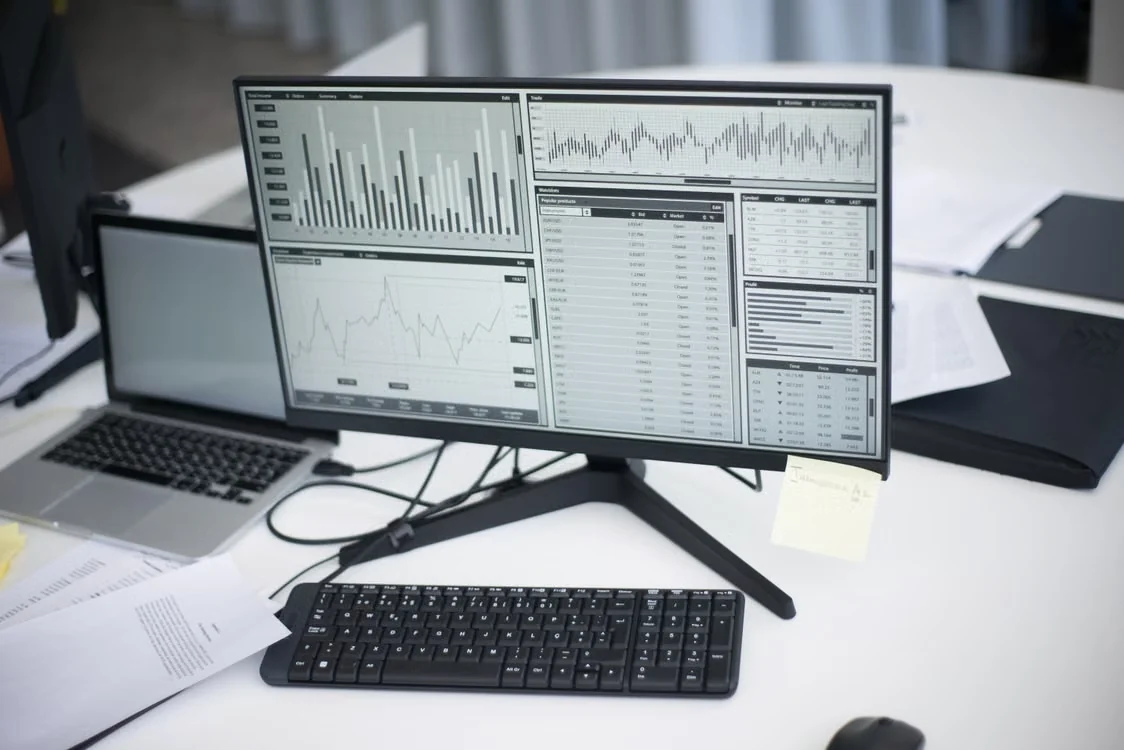
Almost every small business owner says the same thing when they dip their toes into it: between the sales, piling expenses, payroll, suppliers, invoices, and so much more, running a business generates a ridiculous amount of information.
However, having access to data and knowing what to do with it are two very different things. In fact, you could have perfectly organized financial records and still scratch your head to figure out why your profits are dipping, whether you can afford another employee, or which part of your business is actually doing well.
The truth is, you already have all the information you need. Connecting the dots is the tricky part.
That’s where business intelligence (BI) comes in, and you don’t need an entire data analytics department to make it work.
What Is Business Intelligence?
Business intelligence (BI) is simply the tools and processes your business uses to collect information, organize it, analyze it and make enough sense to support better decision making.
For a small business, this could mean bringing financial reports, sales data, operating expenses and workforce information together to understand your overall business health and performance.
Why Small Businesses Need Business Intelligence

Small business owners often make decisions under pressure, and sometimes, the decision needs to happen before the end of the day. In those moments, relying on instinct alone can be risky.
Experience matters, of course, but even experienced owners can overlook patterns when they're working with incomplete information.
Business intelligence gives those decisions a stronger foundation.
1. Understand What's Happening To Your Profits
Revenue is one of the easiest numbers to celebrate and one of the easiest to misinterpret. For example, you can have a 20% increase in revenue, but if your operating profit remains unchanged because expenses have risen enough to absorb the extra revenue, the business isn't necessarily becoming more profitable.
That distinction is what matters when deciding whether to increase marketing spending, hire additional staff or invest in new equipment.
2. Identify Problems Earlier
Financial problems don't always start with one major expense. Sometimes, they develop gradually as supplier prices rise, overtime becomes more frequent or several smaller costs increase at once.
Individually, these changes might not seem significant, but together, they can affect profitability.
3. Evaluate Growth Easier
Growth comes with layers of complexity. A business that was relatively straightforward to manage with five employees and one location may look very different with 30 employees, multiple locations and a growing list of suppliers.
In short, the same management approach that worked at the beginning may no longer provide enough visibility.
How To Turn Business Data Into Better Decisions
You don't need to analyse every number in your business at once. In fact, trying to monitor everything can make it harder to identify what matters.
1. Define The Questions You Need Answered
Before dipping your toes into small business intelligence, identify the decisions you regularly struggle to make.
- Are you unsure why profit margins fluctuate?
- Do you find it difficult to forecast cash requirements?
- Are you trying to understand whether your current staffing levels are sustainable?
Your questions determine which information you need. Always start with the problem, then identify the numbers that can help you understand it.
2. Establish Reliable Financial Records

Business intelligence depends on accurate bookkeeping. If you miscategorise expenses, miss transactions, or keep records far behind, your analysis will be less reliable.
Accounting software such as QuickBooks Online can support this process by maintaining records and producing financial reports.
3. Choose A Small Set Of Meaningful KPIs
Key performance indicators (KPIs) are measurable values that help you evaluate progress towards a business objective. The right KPIs depend on your industry, business model and priorities, but a useful starting point for many businesses includes:
- Revenue
- Gross profit margin
- Operating expenses.
- Operating profit margin
- Cash position
- Labour cost as a percentage of revenue
Every KPI should help you understand performance or support a decision.
4. Compare Results Over Time
Has revenue increased while profit margins have declined? Are expenses rising faster than sales? Is cash becoming tighter despite healthy revenue?
Comparisons help turn financial reports into useful questions. That said, always compare like with like.
Expert tip: seasonal patterns, one off expenses, and business changes can all influence results. A sudden increase isn't necessarily a problem, and a decrease isn't automatically an improvement.
5. Investigate What The Numbers Reveal
Identifying a change is only the beginning. The next step is to examine the available information, establish what changed and determine whether action is necessary.
This is where small business intelligence becomes more than reporting and helps you move from observing results to investigating the factors behind them.
6. Turn Insights Into Action
Analysis is useful only when it informs a decision. If supplier costs have increased, you might switch or renegotiate. If overtime is eating into your margins, it's worth taking a look at scheduling and staffing. If cash flow is tightening, review payment collection and upcoming commitments.
Not every insight will lead to immediate action, but sometimes the right decision is to monitor a trend or gather more information.
Where AI Fits Into Business Intelligence

Your financial reports can tell you what happened. AI can help you figure out why.
AI-powered tools can help small businesses analyse financial data, identify unusual changes and answer questions about business performance without requiring advanced analytical skills.
However, AI relies on accurate records and should complement, not replace, sound financial judgement. Bookkeeping organises the numbers while AI-powered business intelligence helps you understand what they mean.
Combined with financial dashboards and reporting, these tools make better informed decisions more accessible without requiring an inhouse analytics team.
Choosing Business Intelligence Tools For Your Small Business
Not every business needs an elaborate analytics platform. However, at the very least, a good business intelligence tool for small businesses should help you:
- Understand the reports without spending hours learning the software.
- Access the revenue, expense, profit and cash flow information you need.
- Put relevant information together without you having to assemble reports manually.
- Monitor the metrics that matter to your business and compare them over time.
- Get meaningful analysis and explanations behind the numbers.
- Maintain your financial records properly and ask AI questions about your business.
Small business intelligence tools like GoProfitly AI bring professional bookkeeping, QuickBooks Online, financial reporting, workforce insights with Super Intelligence and AI-powered business intelligence together in one monthly service. Simply choose the level of visibility and support you need for your business and start seeing beyond the numbers.
The Bottom Line
You don't need more reports for the sake of having more reports. Understanding what the information you have is telling you is what makes all the difference.
Business intelligence for small businesses bridges the gap between collecting financial data and using it to make better decisions.
So, start with reliable records, focus on the KPIs that matter, compare results over time, and turn useful findings into smart decisions. The real advantage is knowing which numbers matter, what they mean and what to do next.
Ready to understand your business numbers beyond the books? Try GoProfitly AI with a free financial review.
Workforce features, including payroll, scheduling, time & attendance and workforce analysis, require Super Intelligence. Available insights depend on your connected data, records, plan and assigned permissions. AI supports review and judgment; it does not replace them.